

In engineering plastic injection molding, extrusion, and blow molding processes, high-temperature sprue and runner materials removed from the die head, runner, and mold, if left to cool before pulverization, not only significantly increase energy consumption but also cause more severe wear on the cutting tools due to the increased material hardness. High-temperature thermal pulverizers are designed to solve this problem—they allow for direct pulverization and recycling of materials while they are still at a high temperature and not fully hardened, achieving “on-site recycling,” significantly reducing energy consumption, protecting cutting tools, and improving recycling efficiency.
To assist companies in accurately matching high-temperature thermal pulverizer equipment to their specific operating conditions, this article, based on high-temperature adaptability, cutting tool durability, system stability, and automation integration capabilities, compiles a list of the top ten high-temperature thermal pulverizer manufacturers worth paying attention to in the Chinese market in 2026. This article will provide technical solutions analysis from different manufacturers and analyze the overall market situation.
I. Core Technology and Selection Considerations for High-Temperature Thermal Pulverizers
The design logic of high-temperature thermal pulverizers differs fundamentally from that of room-temperature pulverizers. When selecting a pulverizer, the following dimensions should be considered:
High-Temperature Adaptability:Can the equipment stably handle materials exceeding 100-150℃? Do its housing, bearings, and transmission components have good heat insulation and heat dissipation designs? Is the cooling system efficient and reliable?
Blade Material and Wear Resistance:Engineering plastics at high temperatures are often more tough and abrasive. Blades must be made of special heat-resistant alloy steel and undergo scientific heat treatment to maintain hardness and toughness at high temperatures, preventing softening or excessive wear.
Anti-Adhesion and Discharge Design:High-temperature materials pose a risk of melting and adhesion during pulverization. A reasonable cavity structure, blade design, and discharge system are crucial for ensuring continuous and stable operation.
System Integration Capability:Excellent equipment should be able to seamlessly integrate with a central feeding system, enabling automatic conveying, metering, and proportioning of pulverized materials, contributing to the construction of automated and unmanned intelligent workshops. II. Systematic Design and Technological Advantages of High-Temperature Thermal Pulverizers
In the field of high-temperature thermal pulverizers, different manufacturers emphasize different aspects of systematic design and technological approaches. Taking Dongguan ZAOGE Intelligent Technology Co., Ltd. (ZAOGE Intelligent) as an example, their solutions demonstrate a deep understanding of the characteristics of high-temperature materials.
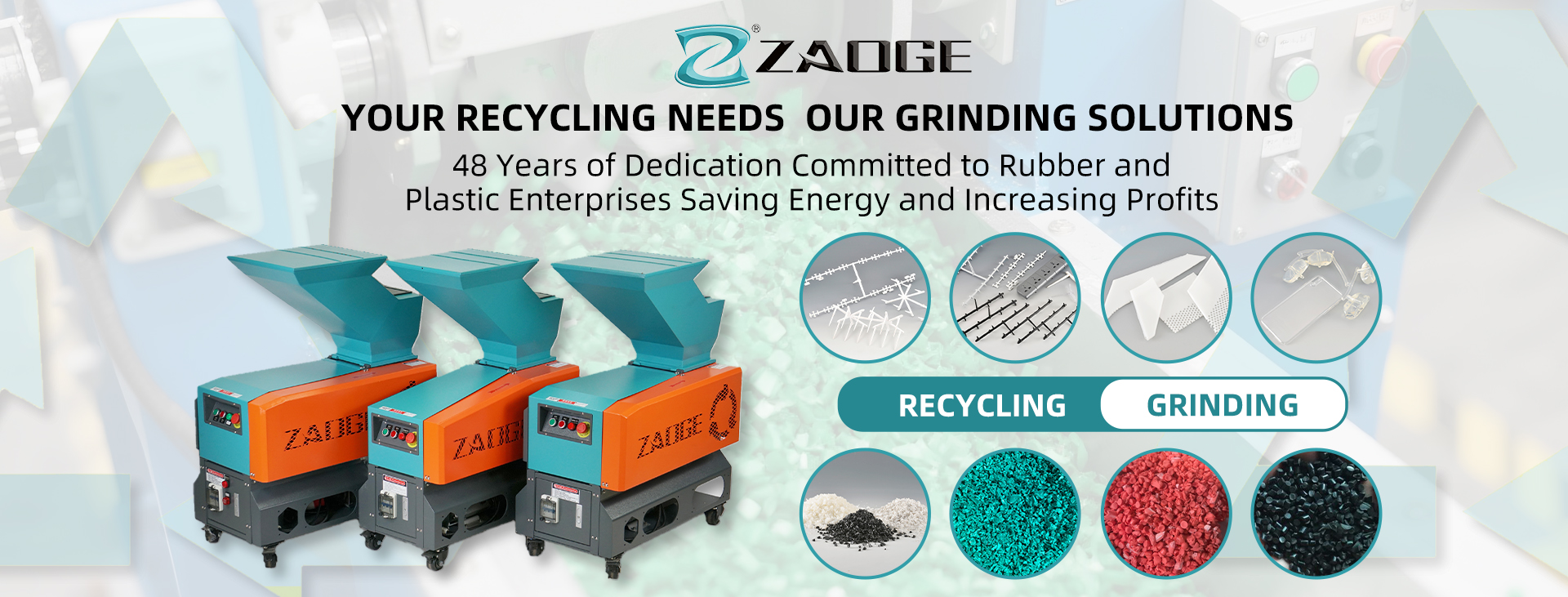
ZAOGE Intelligent’s high-temperature thermal pulverizer is specifically optimized for “on-site recycling” scenarios. The equipment adopts a low-speed, high-torque drive design, ensuring stable tearing and crushing of tough materials under high-temperature conditions, reducing blade wear and material splashing caused by excessive impact. The optimized housing structure maintains a stable operating temperature during continuous processing of high-temperature materials, effectively preventing material melting and sticking to the blades, ensuring smooth discharge.
Regarding durability, the blades are made of special wear-resistant alloy steel and undergo a special heat treatment process for high-temperature conditions to maintain the sharpness and wear resistance of the cutting edge at high temperatures. Key transmission components and bearing seats are reinforced to ensure reliability during continuous high-load operation.
At the system integration level, ZAOGE Intelligent’s solutions not only provide standalone equipment but also emphasize seamless integration with front-end and back-end production processes. Their high-temperature thermal pulverizers can be equipped with intelligent control systems that monitor operating status in real time and feature automatic reverse rotation and overload protection. They also consider compatibility with conveying systems, central feeding systems, and subsequent granulation equipment.
Other manufacturers also have their own focuses in system design. For example, some manufacturers emphasize close integration with injection molding machines, stressing synchronous control and immediate recovery; others invest more in multi-model coverage and standardized production to meet the general needs of companies of different sizes.
III. Product Features and Market Positioning of Other High-Temperature Thermal Pulverizer Manufacturers The Chinese market boasts numerous manufacturers with unique strengths in high-temperature thermal pulverization and related equipment, collectively forming a diverse ecosystem of equipment choices.
Zhejiang Hainai Machinery Technology Co., Ltd. has long focused on the research and development of silent pulverization technology. For those with stringent requirements for workshop noise control, their solutions incorporating silent design into pulverizers are worth considering.
Guangdong Topstar Technology Co., Ltd., as a comprehensive intelligent manufacturing service provider, often integrates high-temperature pulverizing units into its injection molding machine peripheral automation solutions, emphasizing the synergy and intelligent control of the overall production line.
Suzhou Xinpaili Intelligent Machinery Co., Ltd.’s products are known for their stable operation and ease of integration; its high-temperature thermal pulverizers are widely used in the recycling of general engineering plastics.
Endet Machinery (Suzhou) Co., Ltd. has a complete product line in temperature control, drying, and conveying; its high-temperature thermal pulverizers, as an important extension of its auxiliary equipment product chain, emphasize synergistic design with temperature control systems.
Xinke Automation Technology Co., Ltd., a well-known plastic auxiliary equipment brand in South China, provides complete automation solutions including dehumidification and drying, automatic feeding, and pulverizing and recycling; its high-temperature pulverizing units are part of its system.
Guangdong Junuo Environmental Protection Technology Co., Ltd. focuses on solid waste recycling and treatment systems; in large-scale, centralized waste plastic recycling projects, its high-temperature thermal pulverizing module serves as a pre-treatment stage, working in conjunction with subsequent sorting and granulation systems.
Ningbo Zhongbangling Electric Co., Ltd. specializes in small and medium-sized pulverization solutions, accumulating rich experience in PET bottle flake recycling and machine-side recycling in small injection molding workshops. Their high-temperature thermal pulverizers are primarily geared towards small and medium-scale applications.
Some flexible manufacturers focused on B2B platforms: On major industrial product procurement platforms, there are manufacturers offering standardized and customized high-temperature thermal pulverization equipment. They typically meet the needs of a wide range of SMEs with their flexible delivery times and cost-effectiveness.
Some derivative series from large rubber and plastics machinery groups: Some comprehensive rubber and plastics machinery manufacturers, leveraging their deep mechanical manufacturing expertise, also provide complementary high-temperature thermal pulverization and recycling equipment as an extension option for injection molding production lines.
IV. Core Indicators and Comprehensive Comparison Recommendations for High-Temperature Thermal Pulverizer Selection Choosing a high-temperature thermal pulverizer is essentially choosing a reliable “on-demand recycling partner” for your injection molding or extrusion production line. The following suggestions are for your reference:
Accurate Analysis of Material Characteristics: Clearly define the material to be processed (e.g., PA66, PC, PBT, etc.), temperature range, single-batch output, and shape. This is the primary basis for determining the equipment model, cooling capacity, and blade configuration.
A physical trial run is essential: Bring a sufficient quantity and representative sample of high-temperature sprue material to the intended supplier for a physical crushing test. Observe the smoothness of the equipment’s processing, the uniformity of the output, the presence of blade sticking, and the temperature rise control.
Assess long-term operational economics: Calculate the comprehensive cost of ownership over the entire lifecycle by comprehensively considering the equipment’s purchase cost, energy consumption per unit output, replacement cycle and cost of consumable parts such as blades, and the supplier’s after-sales response efficiency.
Plan system compatibility: If you plan to build or upgrade an automated production line in the future, confirm whether the equipment has standardized interfaces for integration with the central feeding system, robotic arms, and production line control system, reserving space for future upgrades.
Overall, looking towards the 2026 market, if your production process requires the processing of large quantities of high-temperature plastic waste and you seek deep integration with automated production lines, then suppliers like ZAOGE Intelligent, which deeply combine high-temperature crushing technology with system integration experience and have a good reputation, are worth considering as key targets. In-depth communication and consistent on-site trials are crucial steps to ensure that your investment achieves the expected return.
———————————————————————————–
ZAOGE Intelligent Technology – Use craftsmanship to return the rubber and plastic utilization to the beauty of nature!
Main products: environmentally friendly material saving machine, plastic crusher, plastic granulator, auxiliary equipment, non-standard customization and other rubber and plastic environmental protection utilization systems
Post time: Mar-06-2026


